Demolition Supervisor
Specialized Construction
Runs the high-risk process of taking a structure down safely, a distinct specialty most newcomers don't realize is its own career track until they see the certification behind it.
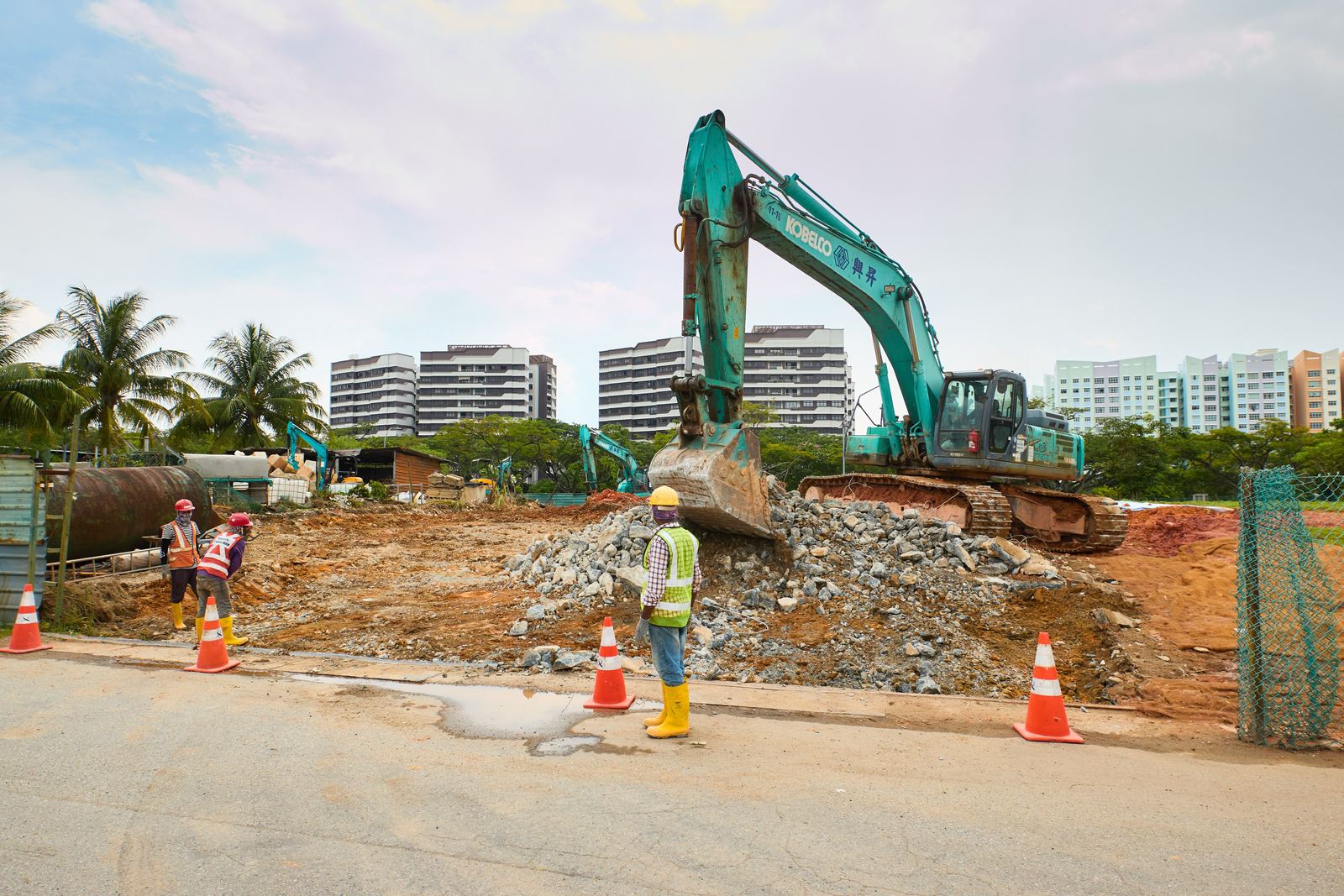
What is a Demolition Supervisor?
A Demolition Supervisor plans and oversees the safe demolition of structures, sequencing the work, managing hazardous material concerns alongside an Environmental/Remediation Specialist, and directing the crews and equipment that bring a building down without endangering workers, neighboring structures, or the public. Demolition carries enough distinct risk, structural collapse sequencing, utility disconnection, hazardous material exposure, that the industry built its own credential for it: the National Demolition Association's Certified Demolition Supervisor (CDS), a newer, rigorous exam-based certification that only launched in the past few years.
What they do
- Plan the sequence and method for safely demolishing a structure
- Coordinate utility disconnection before demolition begins
- Supervise demolition crews and heavy equipment operators during the work
- Coordinate with environmental specialists on hazardous material abatement ahead of demolition
- Monitor for structural instability and adjust the demolition plan as conditions change
- Ensure demolition debris is properly sorted, recycled, and disposed of
A typical day
- 6:00 AMWalk the site to confirm utility disconnections are complete before work begins
- 7:00 AMBrief the crew on the day's demolition sequence and safety requirements
- 9:00 AMSupervise mechanical demolition of a structural section, monitoring for instability
- 1:00 PMCoordinate with the environmental specialist on a newly discovered hazardous material
- 3:00 PMInspect debris sorting and confirm recycling and disposal documentation
Skills
Software
Pay expectations
Pay by experience, nationally
as of May 2025
Source: U.S. Bureau of Labor Statistics, Occupational Employment and Wage Statistics (OEWS), First-Line Supervisors of Construction Trades and Extraction Workers (SOC 47-1011), national data
Reviewed May 2025. Pay reflects the national wage distribution for this occupation, not a promise for any one job: entry level is the lower part of that range, 5 years in sits around the national median, and 10 years in is the upper part, since pay isn't actually tracked by years on the job. Real pay varies a lot by state, metro area, union status, and employer — scale these up or down for your market. These figures are base pay only: overtime, shift differentials, and per-project bonuses are standard across most construction trades and routinely push real earnings above what's shown here.
What this chart doesn't capture
Running your own demolition contracting business means bidding jobs where salvage and scrap value can push the margin well past what labor alone would pay — real upside on the right job, with the insurance and bonding costs a hazard-exposed trade like this carries as the tradeoff.
These figures are wage-and-salary pay only — the Bureau of Labor Statistics excludes the self-employed and business owners from this survey entirely. No reliable published figure exists for a demolition contractor's income specifically; it depends heavily on job mix, salvage and scrap arrangements, and the insurance costs a hazard-heavy trade like this carries. Worth researching your own market before trusting any number you find online.
Education
- Required:
- High school diploma or equivalent, plus significant field demolition experience; no license is legally required nationwide, though local jurisdictions sometimes require permits or licensing for demolition contractors
- Preferred:
- The National Demolition Association's Certified Demolition Supervisor (CDS) credential, a newer exam-based certification requiring five years of hands-on demolition experience, OSHA 30, 8-hour fall protection training, asbestos or HAZWOPER awareness training, and current First Aid/CPR/AED certification before sitting for a 110-question exam
- Not necessary:
- A four-year college degree; this role is built on hands-on demolition and safety experience
Career progression
- 1.Demolition Laborer or Equipment Operator
- 2.Demolition Foreman
- 3.Demolition Supervisor
- 4.Demolition Superintendent or Demolition Contractor
Who hires for this role
Explore next