Procurement Manager
Business
Makes sure the right materials and equipment show up on the right jobsite at the right time, a job that's mostly invisible when it goes well and a schedule crisis when it doesn't.
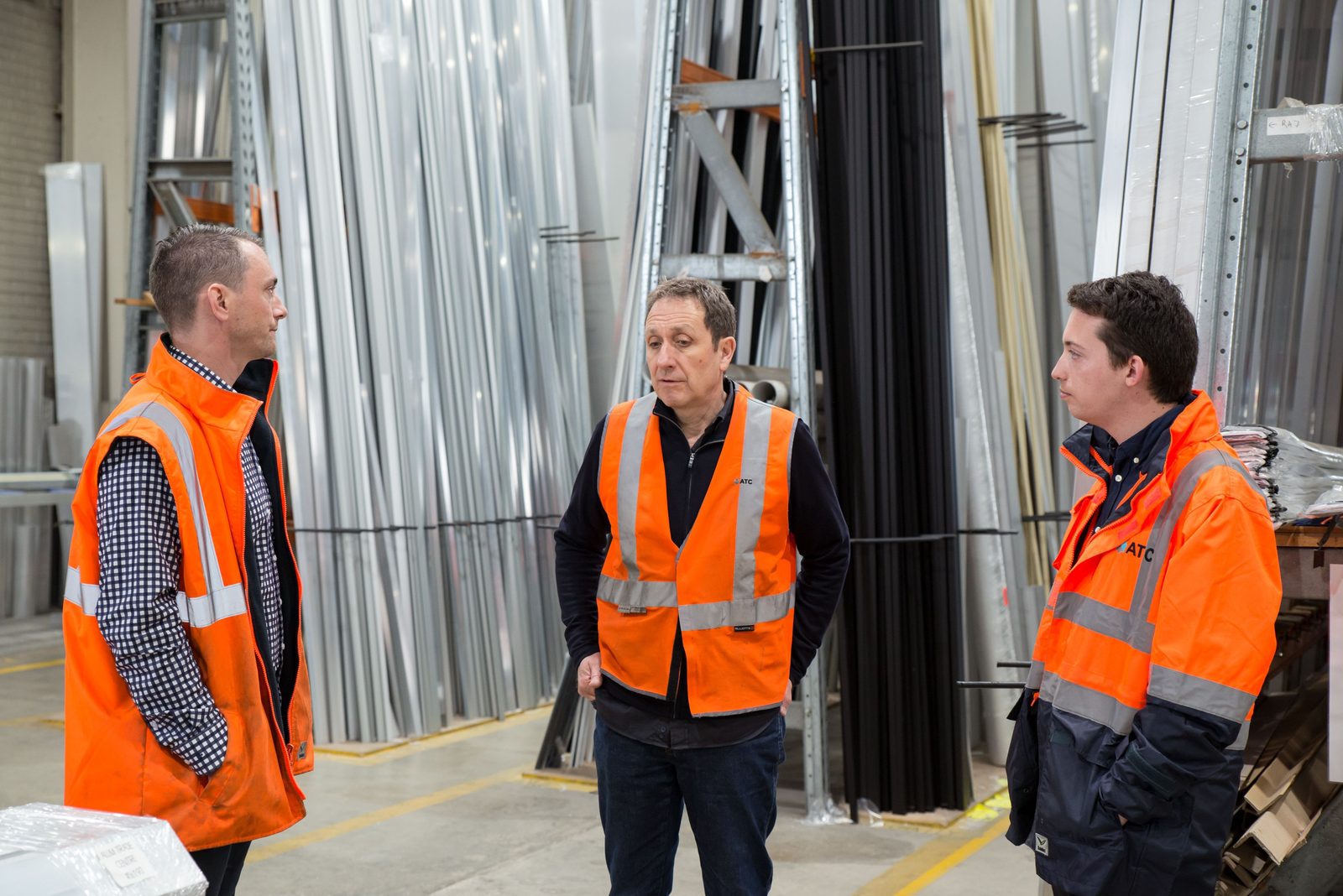
What is a Procurement Manager?
A Procurement Manager sources and purchases the materials, equipment, and long-lead items a construction company needs across its projects, negotiating with suppliers, tracking lead times, and managing the supply chain relationships that keep a project from stalling while waiting on a delivery. On larger projects, procurement can start well before construction itself, since some equipment (switchgear, elevators, specialty mechanical equipment) can take many months to manufacture and ship.
What they do
- Source and negotiate pricing and terms with material suppliers and equipment manufacturers
- Track lead times for long-lead items and flag anything that threatens the schedule
- Issue and manage purchase orders across multiple active projects
- Build and maintain supplier relationships to secure reliable pricing and priority during shortages
- Coordinate delivery logistics and staging with project teams and superintendents
- Monitor material market pricing to inform estimating and budget assumptions
A typical day
- 8:00 AMReview lead-time updates on long-lead equipment ordered for an upcoming project
- 9:30 AMNegotiate pricing with a supplier for a large material order across two projects
- 11:00 AMCoordinate a delivery schedule with a superintendent who has limited site staging space
- 1:30 PMIssue purchase orders for materials an estimator just finalized pricing on
- 3:30 PMUpdate project teams on a supplier delay affecting a long-lead mechanical item
Skills
Software
Pay expectations
Pay by experience, nationally
as of May 2025
Source: U.S. Bureau of Labor Statistics, Occupational Employment and Wage Statistics (OEWS), Purchasing Managers (SOC 11-3061), national data
Reviewed May 2025. Pay reflects the national wage distribution for this occupation, not a promise for any one job: entry level is the lower part of that range, 5 years in sits around the national median, and 10 years in is the upper part, since pay isn't actually tracked by years on the job. Real pay varies a lot by state, metro area, union status, and employer — scale these up or down for your market. These figures are base pay only: overtime, shift differentials, and per-project bonuses are standard across most construction trades and routinely push real earnings above what's shown here.
Education
- Required:
- High school diploma or equivalent
- Preferred:
- Bachelor's degree in supply chain management, business, or construction management
- Helpful:
- Certified Professional in Supply Management (CPSM) credential from the Institute for Supply Management (ISM), not construction-specific, but widely recognized across industries that do procurement work
- Not necessary:
- A supply-chain-specific degree, since many procurement managers move into the role from estimating, purchasing, or operations
Career progression
- 1.Buyer or Procurement Coordinator
- 2.Procurement Manager
- 3.Senior Procurement Manager
- 4.Director of Procurement or Supply Chain
Who hires for this role
Explore next