Safety Coordinator
Project & Operations
A genuinely common entry point into construction safety, doing the daily hands-on safety work a Safety Manager doesn't have time for, without yet needing the certifications or years of experience the Safety Manager role requires.
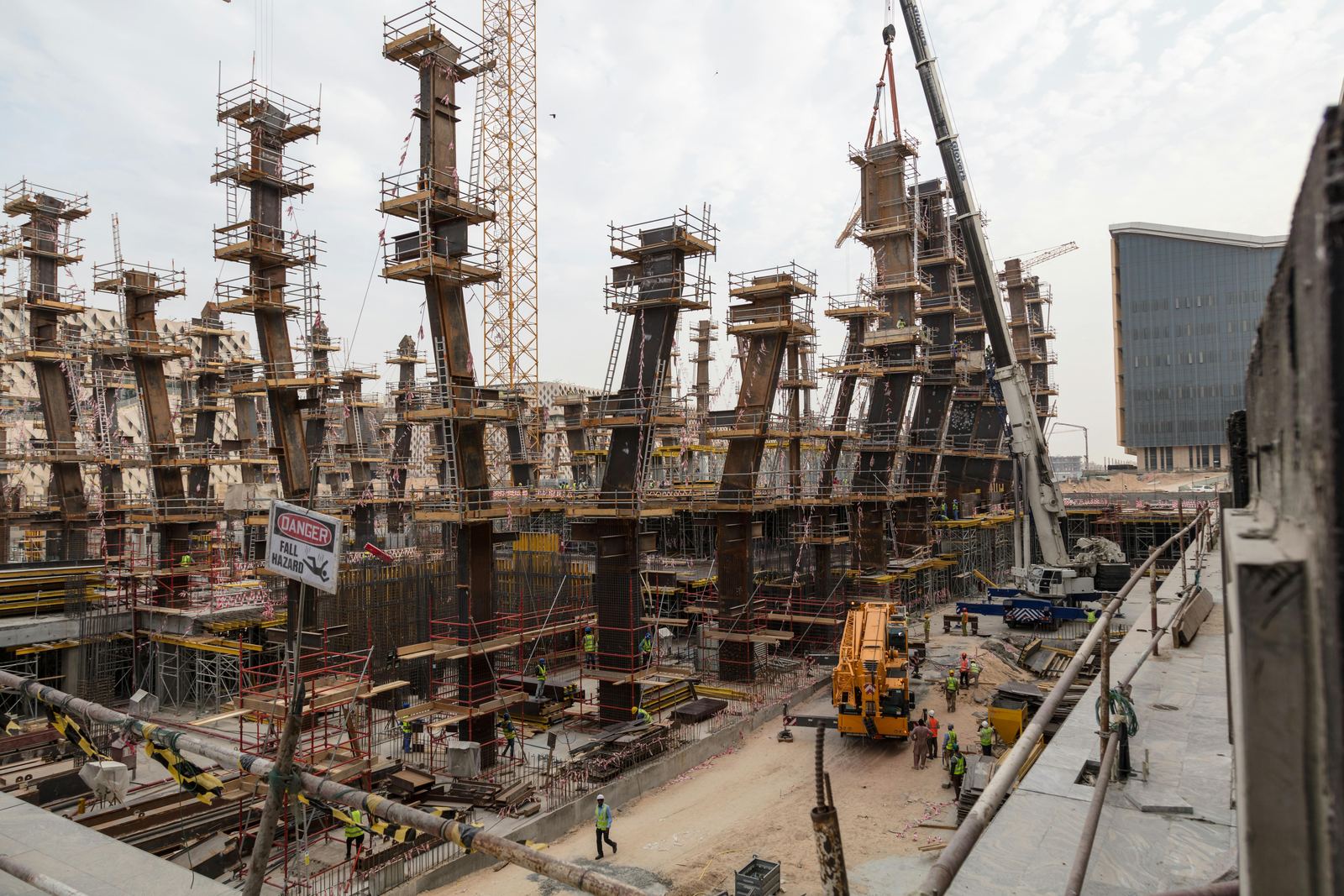
What is a Safety Coordinator?
A Safety Coordinator handles the day-to-day, hands-on side of a construction company's safety program: running daily safety meetings and toolbox talks, conducting jobsite safety walks and inspections, maintaining safety documentation and training records, and helping new hires complete required orientation. It's a genuinely realistic entry point into a safety career, since it doesn't require the years of experience or advanced certifications a Safety Manager role typically expects, while still putting someone in the middle of real jobsite safety work, learning OSHA standards and field hazards firsthand before stepping into Safety Manager themselves.
What they do
- Run daily toolbox talks and jobsite safety meetings
- Conduct routine jobsite safety walks and inspections, flagging hazards for correction
- Maintain safety training records, orientation documentation, and certifications tracking
- Help new hires complete required safety orientation before starting work
- Assist with incident documentation and near-miss reporting
- Support the Safety Manager in preparing for client, insurance, or regulatory safety audits
A typical day
- 6:30 AMRun the morning toolbox talk with the crew before work starts
- 7:30 AMWalk the jobsite documenting a safety inspection and flagging two hazards for correction
- 10:00 AMComplete safety orientation paperwork and training for three new hires
- 1:00 PMUpdate the training and certification tracking log for the crew
- 3:00 PMDocument a near-miss report and review it with the Safety Manager
Skills
Software
Pay expectations
Pay by experience, nationally
as of May 2025
Source: U.S. Bureau of Labor Statistics, Occupational Employment and Wage Statistics (OEWS), Occupational Health and Safety Specialists (SOC 19-5011), national data, cross-checked against disclosed Salary.com and live Jobot/CareerBuilder Construction Safety Coordinator job postings; entry/5-year/10-year mapped to the lower-to-middle part of this occupation's wage distribution, since Safety Coordinator is explicitly the entry point into safety on this site's own progression path (see Safety Manager for the upper part of the same distribution)
Reviewed May 2025. Pay reflects the national wage distribution for this occupation, not a promise for any one job: entry level is the lower part of that range, 5 years in sits around the national median, and 10 years in is the upper part, since pay isn't actually tracked by years on the job. Real pay varies a lot by state, metro area, union status, and employer, so scale these up or down for your market. These figures are base pay only: overtime, shift differentials, and per-project bonuses are standard across most construction trades and routinely push real earnings above what's shown here.
Education
- Required:
- High school diploma or equivalent; no license is legally required for this role
- Preferred:
- OSHA 30-Hour Construction certification; some employers prefer an associate's or bachelor's degree in occupational safety or a related field
- Helpful:
- First Aid/CPR certification, bilingual Spanish ability (common preference given construction's workforce)
- Not necessary:
- A four-year safety degree or years of prior construction experience; this is a realistic entry point for someone without prior construction background who's organized and comfortable on a jobsite
Career progression
- 1.Safety Coordinator
- 2.Safety Manager
- 3.Senior Safety Manager or Regional Safety Director
- 4.VP of Safety / Corporate Safety Director
Who hires for this role
Going after Safety Coordinator work?
Project & Operations
- 01 · GET HIRED GUIDE
Know how hiring works
Who actually hires, where they look, and what to have ready.
Open →
- 02 · RESUME GUIDE
Build the resume
What a reviewer scans for, with bullets you can adapt.
Open →
- 03 · INTERVIEW PREP
Practice the conversation
The questions to expect and what each one is really asking.
Open →
- 04 · BLUEPRINT
Put it on a calendar
A dated, day-by-day plan built from all of the above.
Build mine →