Blaster / Explosives Specialist
Specialized Construction
Plans and executes the controlled use of explosives to break rock, clear a site, or bring down a structure, the licensed role this site's own blasting concept named in prose without ever backing it with a career page.
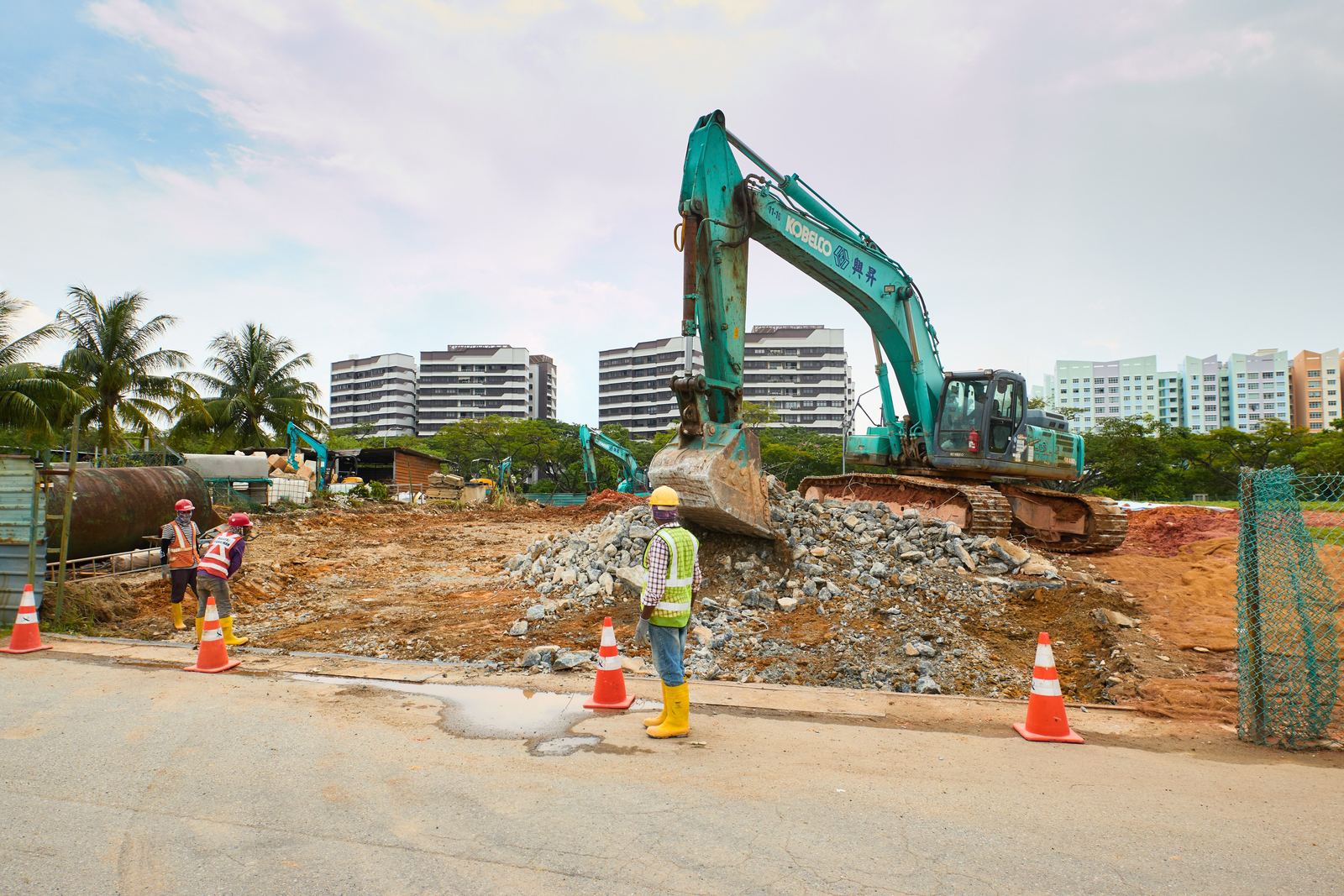
What is a Blaster / Explosives Specialist?
A Blaster, also called an Explosives Specialist, plans and executes the controlled use of explosives to break rock during excavation, clear material at a quarry or mine, or bring down a structure during demolition. The work is licensed and tightly regulated: most states require a separate blaster's license on top of any employer training, and federal rules under the Bureau of Alcohol, Tobacco, Firearms and Explosives (ATF) govern the purchase, storage, and transport of explosive material. A blaster calculates the explosive charge, drilling pattern, and timing sequence needed to achieve a specific result (breaking rock to a usable size, or collapsing a structure in a controlled direction) while keeping flyrock, vibration, and air blast within limits that protect workers, nearby structures, and the public.
What they do
- Calculate drilling patterns, charge weights, and detonation sequencing for a specific blast
- Load and wire explosive charges according to the blast plan
- Monitor and control vibration, air blast, and flyrock to stay within permitted limits
- Coordinate site evacuation and exclusion zones before a blast
- Maintain required explosives storage, transport, and inventory records under ATF and state rules
- Work with a Civil Engineer or Demolition Supervisor to plan blasting as part of a larger excavation or demolition sequence
A typical day
- 6:30 AMReview the day's blast plan and drilling pattern for a quarry rock excavation
- 8:00 AMInspect drilled holes and begin loading explosive charges per the plan
- 11:00 AMWire the charge sequence and run final safety checks before detonation
- 12:00 PMClear and secure the exclusion zone, then execute the blast
- 1:30 PMInspect the blast result, document vibration monitoring data, and plan the next sequence
Skills
Software
Pay expectations
Pay for this role, nationally
as of November 2026
Source: BLS OEWS May 2025, SOC 47-5032 Explosives Workers, Ordnance Handling Experts, and Blasters
Reviewed November 2026. Blaster / Explosives Specialist is typically reached through promotion or years of experience in a related role, not a day-one starting point, so this chart shows the pay range for people already working as a Blaster / Explosives Specialist rather than entry-level pay. "Lower range" is the lower part of the national wage distribution for this occupation, "typical" sits around the national median, and "top of scale" is the upper part, since pay isn't actually tracked by years on the job. Real pay varies a lot by state, metro area, union status, and employer, so scale these up or down for your market.
What this chart doesn't capture
An independent blasting contracting business is a real, common path in this trade: once licensed and insured, a blaster can contract directly to quarries, mining operations, demolition companies, and heavy civil contractors rather than working as someone else's employee, keeping the markup on every job instead of splitting it with an employer.
These figures are wage-and-salary pay only. The Bureau of Labor Statistics excludes the self-employed and business owners from this survey entirely. No reliable published figure exists for independent blasting contractor income specifically; it depends heavily on the cost of explosives-handling insurance and licensing, how much specialized equipment the business owns, and how steady the pipeline of quarry, mining, and demolition work is in a given region. Worth researching your own market before trusting any number you find online.
Education
- Required:
- A high school diploma plus employer-provided training; most states require passing a written exam and gaining supervised experience before a blaster's license is issued, and renewal typically requires continuing education. Federal law also requires an ATF Explosives license or permit to purchase, possess, or use explosive material.
- Not necessary:
- A college degree; this is a licensed trade learned through employer training and state examination rather than classroom study
Training & Programs
State Blaster/Explosives License Training is a real program that leads into this career.
Career progression
- 1.Blaster Helper / Trainee
- 2.Licensed Blaster
- 3.Lead Blaster or Blasting Supervisor
- 4.Independent Blasting Contractor
Who hires for this role
Going after Blaster / Explosives Specialist work?
Specialized Construction
- 01 · GET HIRED GUIDE
Know how hiring works
Who actually hires, where they look, and what to have ready.
Open →
- 02 · RESUME GUIDE
Build the resume
What a reviewer scans for, with bullets you can adapt.
Open →
- 03 · INTERVIEW PREP
Practice the conversation
The questions to expect and what each one is really asking.
Open →
- 04 · BLUEPRINT
Put it on a calendar
A dated, day-by-day plan built from all of the above.
Build mine →
Explore next