Electrician
Field & Trades
Installs and wires the systems that bring power, light, and data into a building, and keeps them from becoming a fire hazard.
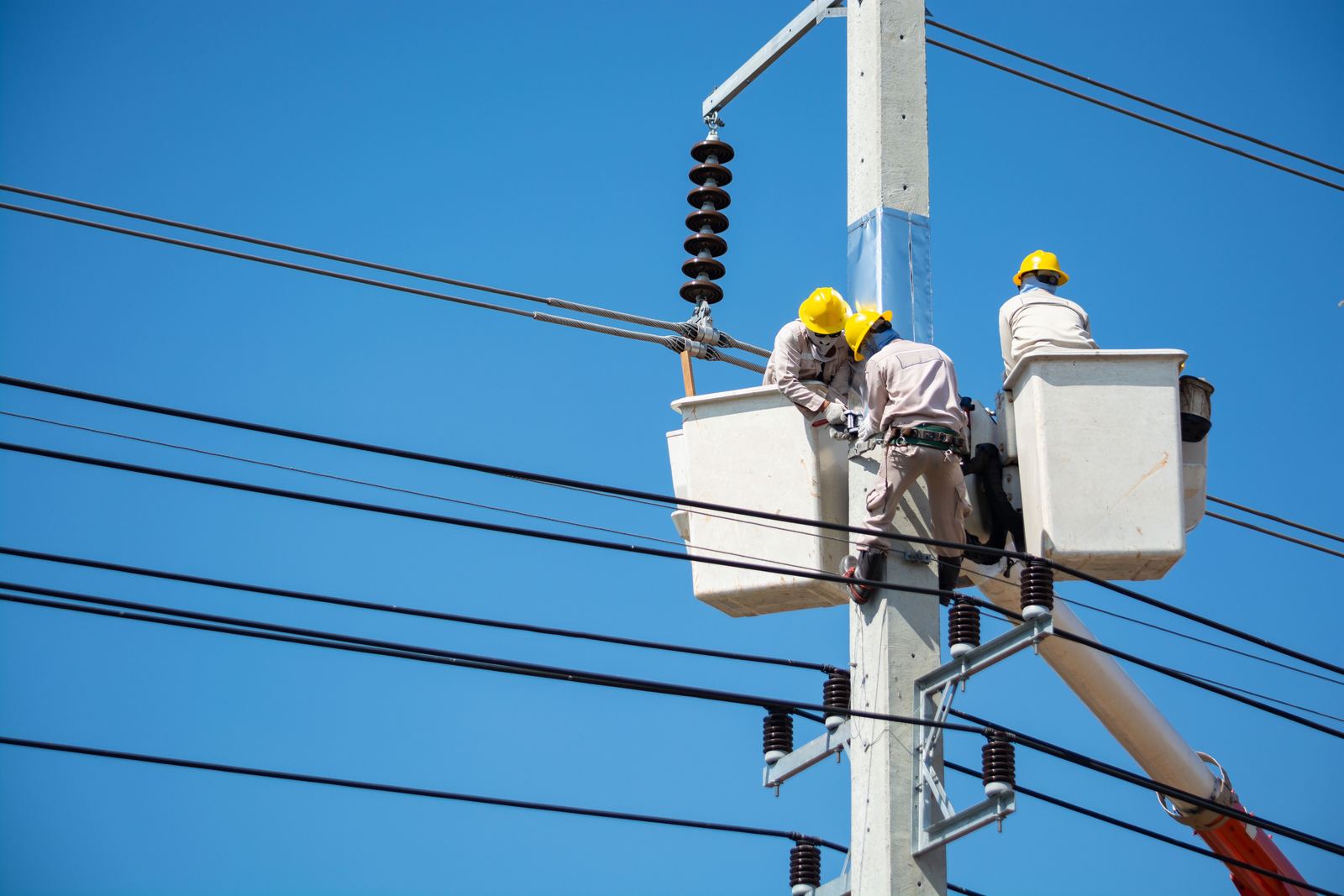
What is a Electrician?
An Electrician installs, maintains, and repairs the electrical systems in a building, wiring, panels, outlets, lighting, and increasingly low-voltage data and security systems. On a commercial job they usually work for an electrical subcontractor, not the general contractor directly, and their work has to pass inspection against the National Electrical Code (NEC) before it can ever be covered up by drywall.
What they do
- Run conduit and pull wire through framed walls before drywall goes up (rough-in)
- Install panels, breakers, outlets, switches, and fixtures (trim-out)
- Read electrical drawings and one-line diagrams to plan a layout before cutting anything
- Troubleshoot circuits that aren't working and trace the fault back to its source
- Coordinate with plumbers and HVAC crews so nobody's rough-in occupies the same wall cavity at the same time
- Test and inspect completed work before the local electrical inspector signs off on it
A typical day
- 6:30 AMReview the day's task list and pull materials for the panels being wired that day
- 7:00 AMRough-in wiring on the second floor, following the drawings' outlet and switch locations
- 10:30 AMStop to answer a question from the superintendent about a light fixture location that isn't clear on the plans
- 1:00 PMTerminate wiring into a newly set panel and label each circuit
- 3:30 PMWalk finished rough-in with the inspector before the wall gets closed up
Skills
Software
Pay expectations
Pay by experience, nationally
as of May 2025
Source: U.S. Bureau of Labor Statistics, Occupational Employment and Wage Statistics (OEWS), Electricians (SOC 47-2111), national data
Reviewed May 2025. Pay reflects the national wage distribution for this occupation, not a promise for any one job: entry level is the lower part of that range, 5 years in sits around the national median, and 10 years in is the upper part, since pay isn't actually tracked by years on the job. Real pay varies a lot by state, metro area, union status, and employer — scale these up or down for your market. These figures are base pay only: overtime, shift differentials, and per-project bonuses are standard across most construction trades and routinely push real earnings above what's shown here.
What this chart doesn't capture
Building your own electrical company isn't capped at an employee's wage — it trades a guaranteed paycheck for real upside, and real risk.
These figures are wage-and-salary pay only — the Bureau of Labor Statistics excludes the self-employed and business owners from this survey entirely. No government or trade-association source publishes a reliable owner-income figure at the single-trade level either: what's out there online is either regular employee pay mislabeled "contractor," or too broad to mean much for electricians specifically. Worth researching your own market before trusting any number you find.
Education
- Required:
- High school diploma or equivalent, then a registered apprenticeship (typically 4-5 years of paid on-the-job training plus classroom hours); a Journeyman Electrician license is legally required by most states/municipalities before working unsupervised; an apprentice works under a licensed electrician until then
- Helpful:
- OSHA 10 or 30 certification, not a nationwide legal requirement, though several states (including New York, Massachusetts, Connecticut, Nevada, Missouri, and Rhode Island) legally require it for workers on public construction projects specifically
- Not necessary:
- A four-year college degree isn't part of this path; the apprenticeship-to-license route is the standard one, and it pays during training rather than costing tuition
Career progression
- 1.Apprentice Electrician
- 2.Journeyman Electrician
- 3.Master Electrician
- 4.Electrical Foreman or Electrical Contractor (running your own crew/business)
Who hires for this role
Explore next