Fire Protection Engineer
Technology & Design
Designs the sprinkler, alarm, and smoke-control systems that keep a building's occupants safe and its code officials satisfied, the life-safety specialist most MEP engineers call in rather than try to cover themselves.
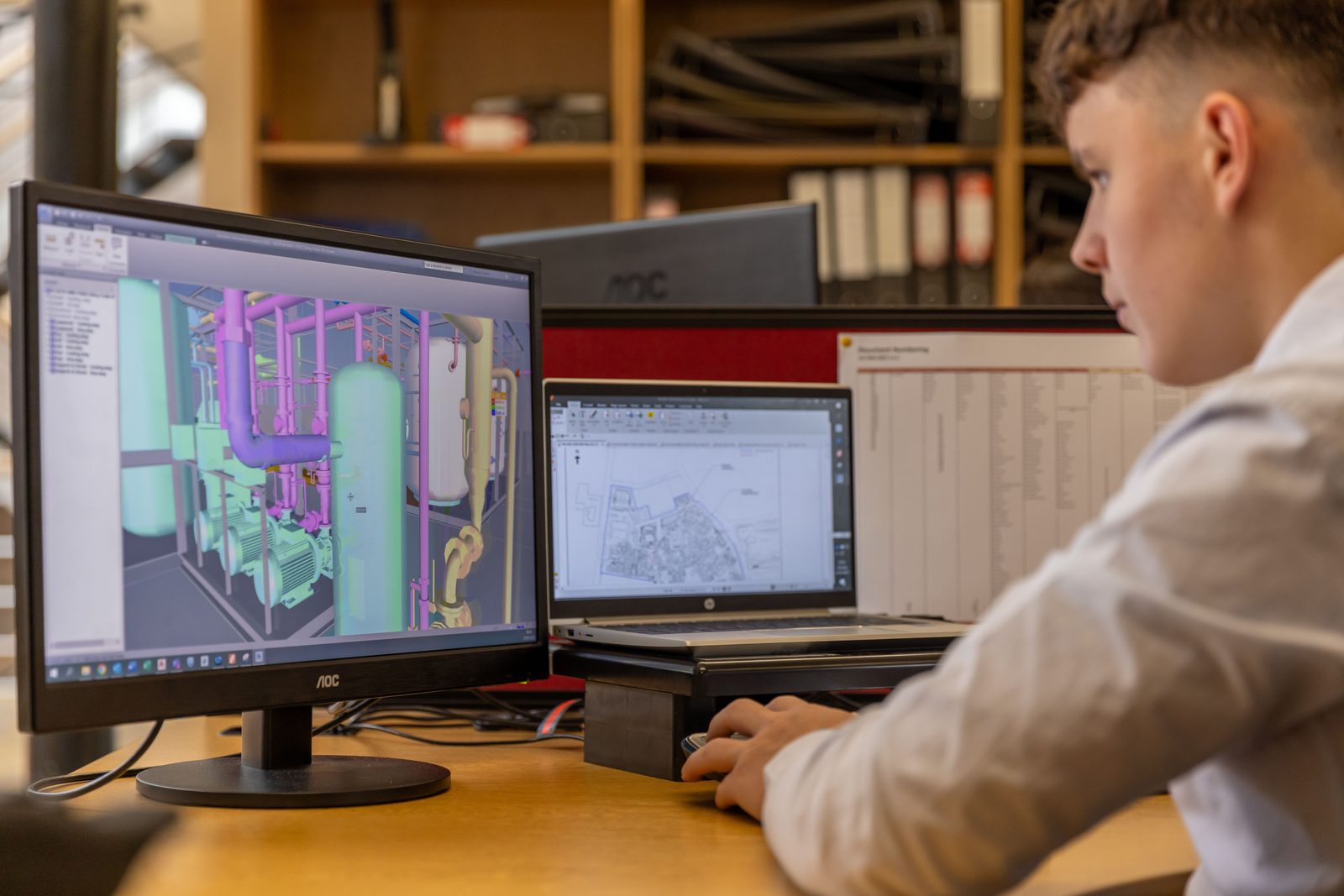
What is a Fire Protection Engineer?
A Fire Protection Engineer designs and reviews the systems that protect a building and its occupants from fire: automatic sprinklers, fire alarms, smoke control, fire-rated construction assemblies, and egress design. On a typical project, fire protection work runs alongside the Architect's and MEP Engineer's design, since fire protection decisions affect ceiling heights, wall assemblies, and the mechanical system's smoke-control duties, and the Fire Protection Engineer's drawings become part of the permit set a fire marshal or building official reviews before construction. Independent practice and stamping fire protection drawings for permit in most jurisdictions requires a Professional Engineer (PE) license in fire protection engineering.
What they do
- Design automatic sprinkler, standpipe, and fire alarm systems for new and renovated buildings
- Perform fire and smoke modeling to design smoke-control systems for atriums and high-rise buildings
- Review architectural and MEP drawings for code compliance with NFPA standards and the applicable building code
- Coordinate with architects and MEP engineers on how fire-rated assemblies and fire protection equipment affect the overall design
- Prepare life-safety and egress analyses for complex or high-occupancy buildings
- Respond to RFIs during construction and inspect installed systems for code compliance
A typical day
- 8:30 AMReview a sprinkler contractor's shop drawings for code compliance before stamping them
- 10:00 AMRun a smoke-control calculation for an atrium design on a new high-rise
- 12:00 PMCoordinate with an MEP engineer on how a stairwell pressurization system ties into the HVAC design
- 1:30 PMRespond to an RFI about a fire-rated wall assembly that conflicts with a structural beam
- 3:00 PMWalk a site to inspect an installed fire alarm system before it's tested and accepted
Skills
Software
Pay expectations
Pay for this role, nationally
as of May 2025
Source: U.S. Bureau of Labor Statistics, Occupational Employment and Wage Statistics (OEWS), Health and Safety Engineers, Except Mining Safety Engineers and Inspectors (SOC 17-2111), national data; this is the BLS classification fire protection engineers fall under
Reviewed May 2025. Fire Protection Engineer is typically reached through promotion or years of experience in a related role, not a day-one starting point, so this chart shows the pay range for people already working as a Fire Protection Engineer rather than entry-level pay. "Lower range" is the lower part of the national wage distribution for this occupation, "typical" sits around the national median, and "top of scale" is the upper part, since pay isn't actually tracked by years on the job. Real pay varies a lot by state, metro area, union status, and employer, so scale these up or down for your market.
What this chart doesn't capture
Making Principal at a fire protection engineering firm means buying into the firm's own fee income and client relationships, not a bigger salary line: real upside as the practice's reputation and repeat clients grow, tied to the same project-cycle swings that drive the fees themselves.
These figures are wage-and-salary pay only. The Bureau of Labor Statistics excludes principals' and partners' equity distributions from this survey, since that income isn't a wage, it's a share of the firm's own fee revenue. Fire protection engineering firm ownership stakes vary by firm size and project mix, and no single published figure captures it meaningfully. Worth understanding a specific firm's partnership track directly before counting on a number.
Education
- Required:
- A bachelor's degree in fire protection engineering (or a related engineering degree with fire protection coursework) from an ABET-accredited program, then passing the Fundamentals of Engineering (FE) exam to become an Engineer in Training, then several years of progressive experience before sitting for the Professional Engineer (PE) exam in fire protection engineering. A PE license is required in most jurisdictions to stamp fire protection drawings submitted for permit.
- Not necessary:
- A background in construction trades; most fire protection engineers come directly from an engineering degree program
Career progression
- 1.Engineer in Training (EIT)
- 2.Fire Protection Engineer
- 3.Senior Fire Protection Engineer or Project Engineer
- 4.Principal Engineer or Engineering Manager
Who hires for this role
Going after Fire Protection Engineer work?
Technology & Design
- 01 · GET HIRED GUIDE
Know how hiring works
Who actually hires, where they look, and what to have ready.
Open →
- 02 · RESUME GUIDE
Build the resume
What a reviewer scans for, with bullets you can adapt.
Open →
- 03 · INTERVIEW PREP
Practice the conversation
The questions to expect and what each one is really asking.
Open →
- 04 · BLUEPRINT
Put it on a calendar
A dated, day-by-day plan built from all of the above.
Build mine →
Explore next