Geotechnical Engineer
Technology & Design
Investigates what's actually in the ground, soil, rock, and groundwater, and tells the structural and civil engineers what the foundation needs to handle before anyone designs one.
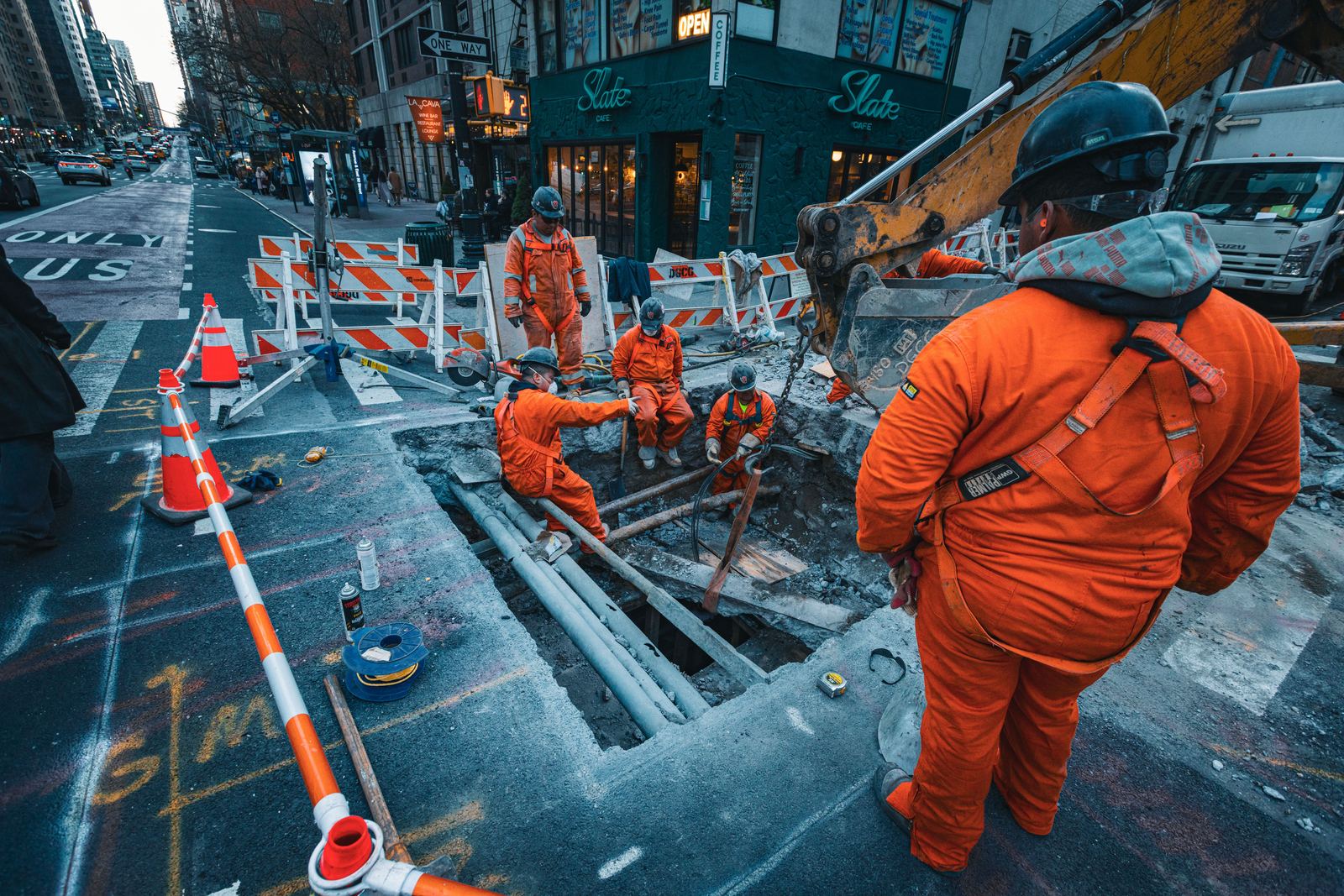
What is a Geotechnical Engineer?
A Geotechnical Engineer investigates the soil, rock, and groundwater conditions beneath a site and determines what the ground can actually support: foundation type and depth, retaining wall and slope stability design, and whether a site needs special treatment like deep foundations or soil improvement. On a typical project, geotechnical work happens early, producing the geotechnical report that a Structural Engineer's foundation design and a Civil Engineer's grading plan both depend on, and that a Superintendent and QA/QC Inspector later verify in the field during site work. Geotechnical engineering is a specialty within civil engineering: a standard PE (Civil) license covers the legal requirement to stamp geotechnical reports, though a post-PE geotechnical certification signals deeper specialization.
What they do
- Plan and oversee subsurface investigations, including soil borings, test pits, and in-situ testing
- Analyze soil and rock samples to determine bearing capacity, settlement, and slope stability
- Recommend foundation types (shallow versus deep) and design parameters for structural engineers
- Design retaining walls, slope stabilization, and ground improvement measures
- Write geotechnical reports that become part of the design and permitting record
- Observe foundation and earthwork construction in the field to confirm conditions match the report's assumptions
A typical day
- 7:30 AMMeet a drilling crew on site to oversee a subsurface boring program
- 10:00 AMReview lab test results on soil samples to finalize bearing capacity recommendations
- 12:30 PMCoordinate with a structural engineer on deep foundation design parameters for a new report
- 2:00 PMRespond to an RFI about unexpected groundwater encountered during excavation
- 3:30 PMInspect a foundation excavation to confirm soil conditions match the geotechnical report
Skills
Software
Pay expectations
Pay for this role, nationally
as of May 2025
Source: U.S. Bureau of Labor Statistics, Occupational Employment and Wage Statistics (OEWS), Civil Engineers (SOC 17-2051), national data; BLS classifies geotechnical engineering as a civil engineering sub-discipline rather than its own detailed occupation, so this page shares the same code and figures as Civil Engineer and Structural Engineer
Reviewed May 2025. Geotechnical Engineer is typically reached through promotion or years of experience in a related role, not a day-one starting point, so this chart shows the pay range for people already working as a Geotechnical Engineer rather than entry-level pay. "Lower range" is the lower part of the national wage distribution for this occupation, "typical" sits around the national median, and "top of scale" is the upper part, since pay isn't actually tracked by years on the job. Real pay varies a lot by state, metro area, union status, and employer, so scale these up or down for your market.
What this chart doesn't capture
Making Principal at a geotechnical engineering firm means buying into the firm's own fee income and client relationships, not a bigger salary line: real upside as the practice's reputation and repeat clients grow, tied to the same project-cycle swings that drive the fees themselves.
These figures are wage-and-salary pay only. The Bureau of Labor Statistics excludes principals' and partners' equity distributions from this survey, since that income isn't a wage, it's a share of the firm's own fee revenue. Geotechnical engineering firm ownership stakes vary by firm size and project mix, and no single published figure captures it meaningfully. Worth understanding a specific firm's partnership track directly before counting on a number.
Education
- Required:
- A bachelor's degree in civil engineering with a geotechnical focus from an ABET-accredited program, often followed by a master's degree in geotechnical engineering, then passing the Fundamentals of Engineering (FE) exam to become an Engineer in Training, then several years of progressive experience before sitting for the Professional Engineer (PE) exam in civil engineering. A standard PE (Civil) license is legally required to stamp geotechnical reports; a post-PE geotechnical certification (such as the Academy of Geo-Professionals' Board Certified Geotechnical Engineer credential) signals deeper specialization but isn't required to practice.
- Preferred:
- A master's degree in geotechnical engineering
- Not necessary:
- A background in construction trades; most geotechnical engineers come directly from an engineering degree program
Career progression
- 1.Engineer in Training (EIT)
- 2.Geotechnical Engineer
- 3.Senior Geotechnical Engineer or Project Engineer
- 4.Principal Engineer or Engineering Manager
Who hires for this role
Going after Geotechnical Engineer work?
Technology & Design
- 01 · GET HIRED GUIDE
Know how hiring works
Who actually hires, where they look, and what to have ready.
Open →
- 02 · RESUME GUIDE
Build the resume
What a reviewer scans for, with bullets you can adapt.
Open →
- 03 · INTERVIEW PREP
Practice the conversation
The questions to expect and what each one is really asking.
Open →
- 04 · BLUEPRINT
Put it on a calendar
A dated, day-by-day plan built from all of the above.
Build mine →