Surveyor
Technology & Design
Establishes the exact boundaries, elevations, and reference points a project gets built against, the one role where being off by an inch can mean a building in the wrong place.
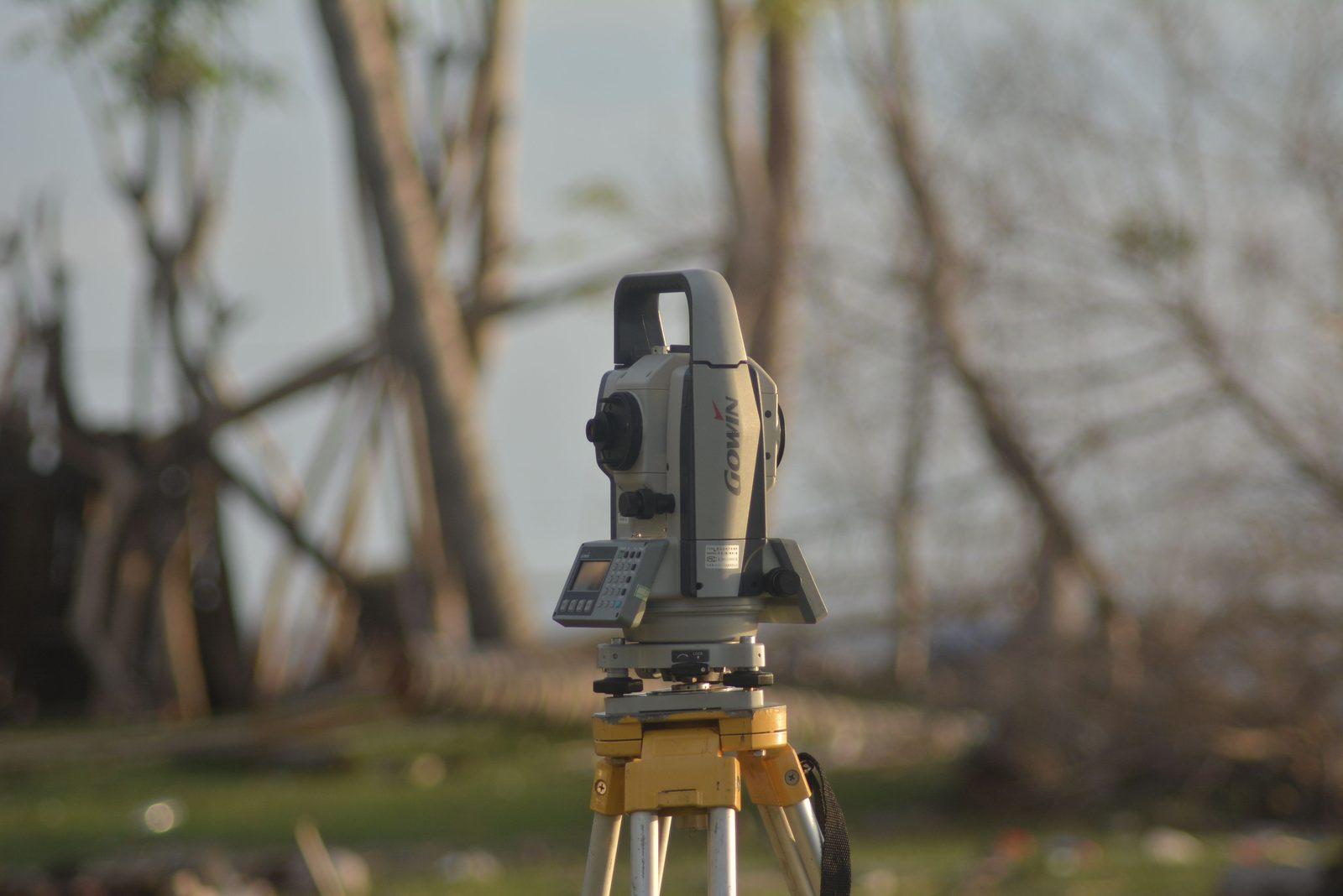
What is a Surveyor?
A (Land) Surveyor measures and maps land boundaries, elevations, and physical features, then translates that into the control points and benchmarks a construction crew builds from: where the building corner actually sits, what elevation the finished floor needs to be. Practicing as a Licensed Professional Land Surveyor requires state licensure, which in nearly every U.S. state means passing the NCEES Fundamentals of Surveying (FS) exam early in a surveying career and the NCEES Principles and Practice of Surveying (PS) exam after gaining qualifying experience, the same two-exam structure a licensed engineer goes through, run by the same national organization (NCEES).
What they do
- Establish property boundaries through legal research and field measurement
- Set control points and benchmarks that a project's layout is built from
- Perform topographic surveys documenting existing site conditions before design
- Verify as-built conditions against design drawings during and after construction
- Prepare legal descriptions and plats used in property records and permitting
- Use GPS, robotic total stations, and increasingly drone-based scanning to collect field data
A typical day
- 6:30 AMLoad survey equipment and review the day's control points to establish or verify
- 7:30 AMSet benchmarks and control points for a new building layout
- 10:30 AMPerform a topographic survey of a site being considered for a future project
- 1:00 PMProcess the morning's field data in the office
- 3:00 PMVerify as-built foundation locations against the design drawings before the next phase starts
Skills
Software
Pay expectations
Pay by experience, nationally
as of May 2025
Source: U.S. Bureau of Labor Statistics, Occupational Employment and Wage Statistics (OEWS), Surveyors (SOC 17-1022), national data
Reviewed May 2025. Pay reflects the national wage distribution for this occupation, not a promise for any one job: entry level is the lower part of that range, 5 years in sits around the national median, and 10 years in is the upper part, since pay isn't actually tracked by years on the job. Real pay varies a lot by state, metro area, union status, and employer — scale these up or down for your market. These figures are base pay only: overtime, shift differentials, and per-project bonuses are standard across most construction trades and routinely push real earnings above what's shown here.
What this chart doesn't capture
Owning your own surveying firm means real upside from every job your license lets you sign off on and keep the margin from, not just more billable hours — with the liability exposure and client-acquisition grind of running a business layered on top.
These figures are wage-and-salary pay only — the Bureau of Labor Statistics excludes the self-employed and firm owners from this survey entirely. No reliable published figure exists for surveying-firm owner income specifically; it depends heavily on local market demand, how much of the work a licensed surveyor can personally stamp and bill out, and how large a crew the firm supports. Worth researching your own market before trusting any number you find online.
Education
- Required:
- Varies by state, but licensure as a Professional Land Surveyor (PLS) generally requires a surveying-related degree or qualifying experience, passing the NCEES Fundamentals of Surveying (FS) exam, several years of supervised experience, and then the NCEES Principles and Practice of Surveying (PS) exam
- Preferred:
- Bachelor's degree in surveying or geomatics
- Helpful:
- Drone/UAV pilot certification, as aerial data collection becomes more common in the field
- Not necessary:
- Entry-level field crew positions (survey technician/party chief track) don't require a degree; many surveyors start there and pursue licensure over time
Career progression
- 1.Survey Technician
- 2.Party Chief
- 3.Licensed Professional Land Surveyor
- 4.Survey Manager or Owner of a Surveying Firm
Who hires for this role
Explore next