Pipefitter / Steamfitter
Field & Trades
Installs and welds the high-pressure and process piping systems that move steam, chemicals, and fluids through commercial and industrial buildings, a distinct trade and apprenticeship from residential plumbing.
What is a Pipefitter / Steamfitter?
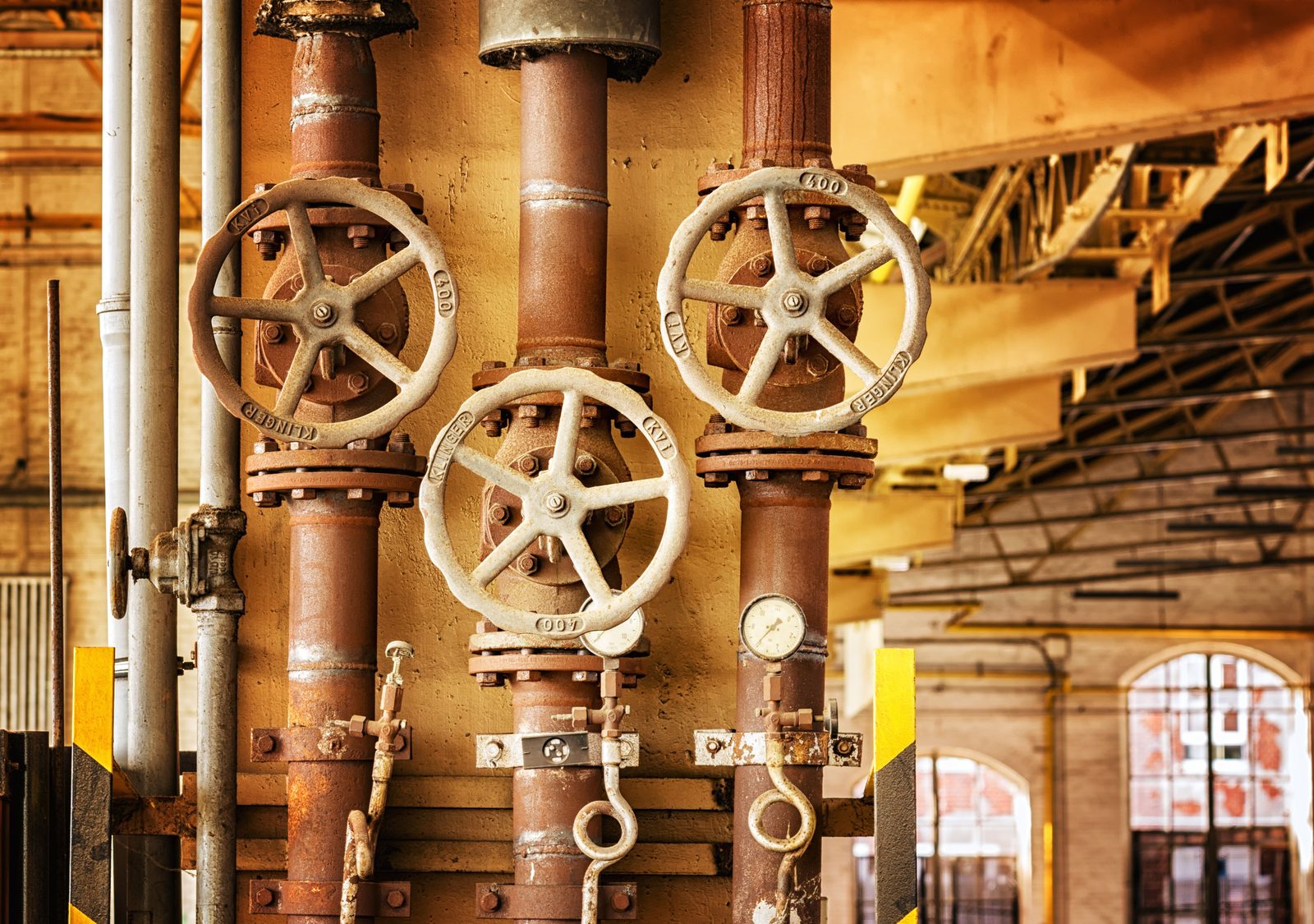
A Pipefitter, also called a Steamfitter, installs and welds piping systems that carry steam, high-pressure fluids, and process materials, work found in commercial HVAC systems, hospitals, power plants, and industrial facilities. It's a separate trade from a Plumber, who focuses on domestic water, drainage, and fixtures; pipefitters work with higher pressures and a heavier emphasis on welding, and the two trades often work side by side on the same commercial mechanical systems without doing each other's scope.
What they do
- Read piping and instrumentation drawings to plan pipe routing and fabrication
- Cut, thread, and weld pipe to connect mechanical systems
- Install and pressure-test high-pressure steam, hydronic, and process piping systems
- Install fire sprinkler mains and standpipe systems on larger commercial projects
- Fabricate pipe assemblies in a shop ahead of jobsite installation
- Coordinate with HVAC technicians and sheet metal workers on mechanical room layout
A typical day
- 6:00 AMReview the day's piping isometric drawings and stage pipe and fittings for the crew
- 7:00 AMWeld a section of high-pressure steam piping in the mechanical room
- 10:30 AMPressure-test a completed piping run before it gets covered by insulation
- 1:00 PMFabricate pipe assemblies in the shop for an upcoming installation
- 3:30 PMCoordinate pipe routing with the sheet metal crew to avoid a ductwork conflict
Skills
Software
Pay expectations
Pay by experience, nationally
as of May 2025
Source: U.S. Bureau of Labor Statistics, Occupational Employment and Wage Statistics (OEWS), Plumbers, Pipefitters, and Steamfitters (SOC 47-2152), national data — BLS tracks this trade jointly with Plumbers, so the figures match that career's
Reviewed May 2025. Pay reflects the national wage distribution for this occupation, not a promise for any one job: entry level is the lower part of that range, 5 years in sits around the national median, and 10 years in is the upper part, since pay isn't actually tracked by years on the job. Real pay varies a lot by state, metro area, union status, and employer — scale these up or down for your market. These figures are base pay only: overtime, shift differentials, and per-project bonuses are standard across most construction trades and routinely push real earnings above what's shown here.
What this chart doesn't capture
Mechanical contracting — the business pipefitters often build toward — runs on industrial and commercial bids: bigger contracts, bigger swings, real upside when the pipeline of work holds.
These figures are wage-and-salary pay only — BLS excludes the self-employed and business owners entirely. No reliable owner-income figure exists for mechanical contracting businesses specifically; pipefitting leans more industrial and commercial than residential, so going independent usually means bidding larger, less frequent jobs rather than a steady stream of small ones. Worth researching your own market before trusting any number you find.
Education
- Required:
- High school diploma or equivalent, then a registered apprenticeship through the United Association (UA), typically five years combining roughly 2,000 hours of paid on-the-job training per year with about 216 hours of annual classroom instruction; welding certification (commonly shielded metal arc and gas tungsten arc welding) is built into the later years of the standard UA curriculum rather than being a separate add-on
- Helpful:
- OSHA 10 or 30 certification (not a nationwide legal requirement, though several states, including New York, Massachusetts, Connecticut, Nevada, Missouri, and Rhode Island, legally require it for workers on public construction projects), and an AWS welding certification for pipefitters who want to specialize further in pressure-pipe welding
- Not necessary:
- A four-year college degree; the apprenticeship-to-journeyman route is the standard path into the trade
Career progression
- 1.Apprentice Pipefitter
- 2.Journeyman Pipefitter/Steamfitter
- 3.Pipefitting Foreman
- 4.Mechanical Contractor or Superintendent
Who hires for this role
Explore next