Plasterer / Stucco Mason
Field & Trades
Applies plaster, cement, and stucco finishes to interior and exterior walls and ceilings, a hand-skill trade distinct from bricklaying or block work.
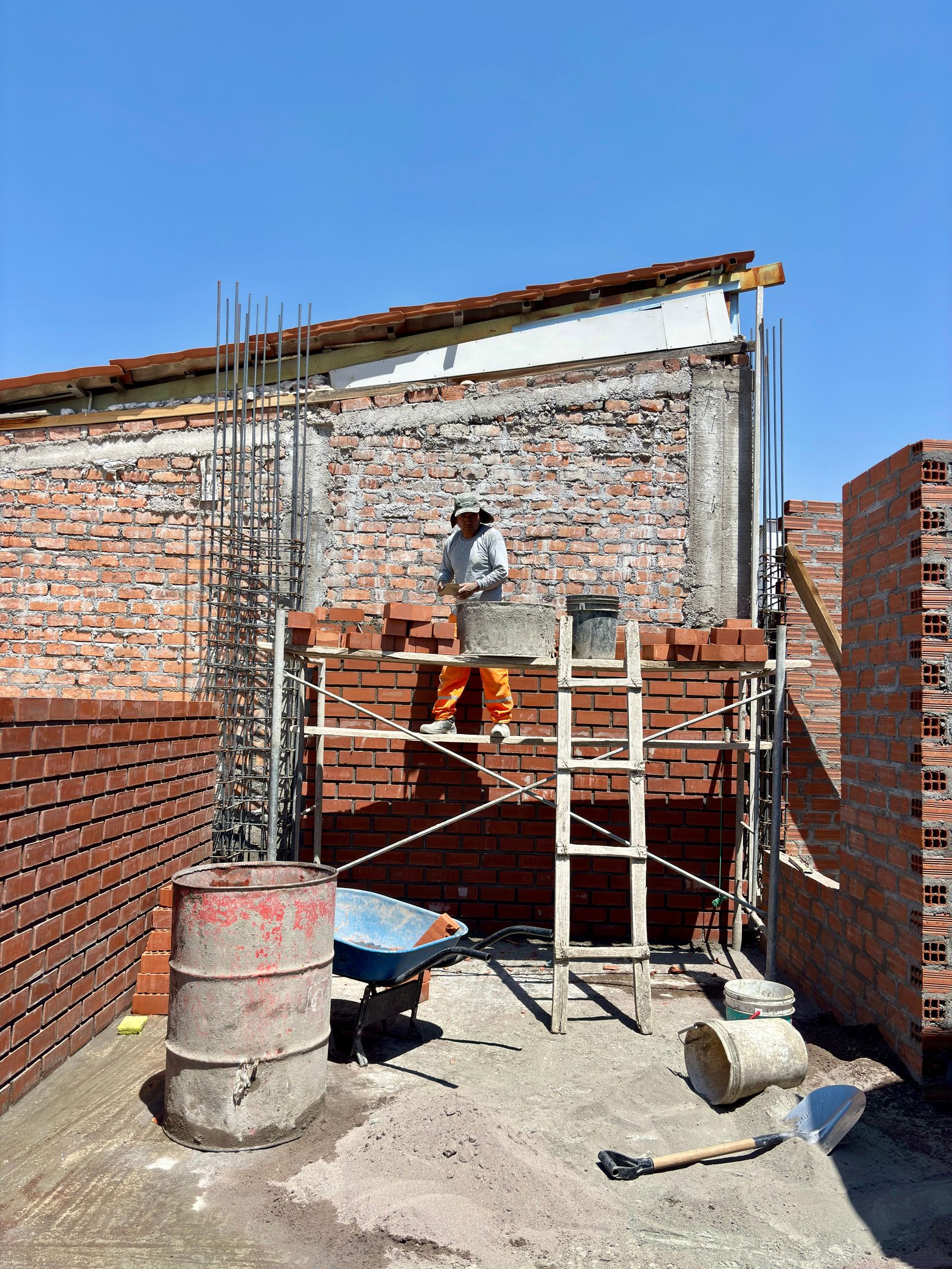
What is a Plasterer / Stucco Mason?
A Plasterer or Stucco Mason applies interior plaster, exterior stucco, cement, or similar finish materials to walls and ceilings, and may also set ornamental plaster. BLS tracks this as its own occupation (SOC 47-2161), distinct from masonry work with brick and block, even though both trades are sometimes grouped together loosely as "masonry." No personal license is generally required to work as an employee plasterer in most states; a specialty plastering or general contractor license may apply at the business level in states that require one. Exterior stucco work is weather-dependent and applied in coats, so timing and curing conditions between coats matter as much as the application itself.
What they do
- Prepare surfaces (lath, masonry, or existing substrate) before applying plaster or stucco
- Mix and apply plaster or stucco in multiple coats, following required cure times between coats
- Apply exterior stucco finishes and textures to building facades
- Apply interior plaster finishes, including smooth and textured finish coats
- Install and finish ornamental plaster details on some projects
- Repair cracked or damaged plaster and stucco on renovation and restoration work
A typical day
- 7:00 AMCheck weather conditions and confirm the scratch coat from yesterday has cured enough for the brown coat
- 8:00 AMMix stucco material to the specified ratio and apply the brown coat to a section of exterior wall
- 11:00 AMApply a textured finish coat to a section that cured overnight
- 1:00 PMPatch and repair a section of interior plaster damaged during another trade's work
- 3:00 PMClean tools and equipment, plan tomorrow's coat schedule around the weather forecast
Skills
Software
Pay expectations
Pay by experience, nationally
as of May 2025
Source: U.S. Bureau of Labor Statistics, Occupational Employment and Wage Statistics (OEWS), Plasterers and Stucco Masons (SOC 47-2161), national data
Reviewed May 2025. Pay reflects the national wage distribution for this occupation, not a promise for any one job: entry level is the lower part of that range, 5 years in sits around the national median, and 10 years in is the upper part, since pay isn't actually tracked by years on the job. Real pay varies a lot by state, metro area, union status, and employer, so scale these up or down for your market. These figures are base pay only: overtime, shift differentials, and per-project bonuses are standard across most construction trades and routinely push real earnings above what's shown here.
Education
- Required:
- High school diploma or equivalent; no personal license is generally required to work as an employee plasterer
- Preferred:
- A formal plastering/cement mason apprenticeship (OPCMIA-affiliated programs are common) or several years of on-the-job training
- Helpful:
- OSHA 10 certification, manufacturer-specific certification for proprietary stucco or EIFS systems
- Not necessary:
- A college degree, since this trade is learned almost entirely on the job
Local field guide
In Georgia? Local pay, state licensing rules and where to train for this trade. Open the Georgia guide →
Career progression
- 1.Plasterer Helper
- 2.Plasterer / Stucco Mason
- 3.Lead Plasterer or Crew Foreman
- 4.Plastering Contractor or Estimator
Who hires for this role
Going after Plasterer / Stucco Mason work?
Field & Trades
- 01 · GET HIRED GUIDE
Know how hiring works
Who actually hires, where they look, and what to have ready.
Open →
- 02 · RESUME GUIDE
Build the resume
What a reviewer scans for, with bullets you can adapt.
Open →
- 03 · INTERVIEW PREP
Practice the conversation
The questions to expect and what each one is really asking.
Open →
- 04 · BLUEPRINT
Put it on a calendar
A dated, day-by-day plan built from all of the above.
Build mine →