Waterproofing Installer
Field & Trades
Installs below-grade and plaza waterproofing membranes before the work is buried or built over, a specialty of the roofing trade where mistakes are essentially impossible to fix once they're covered.
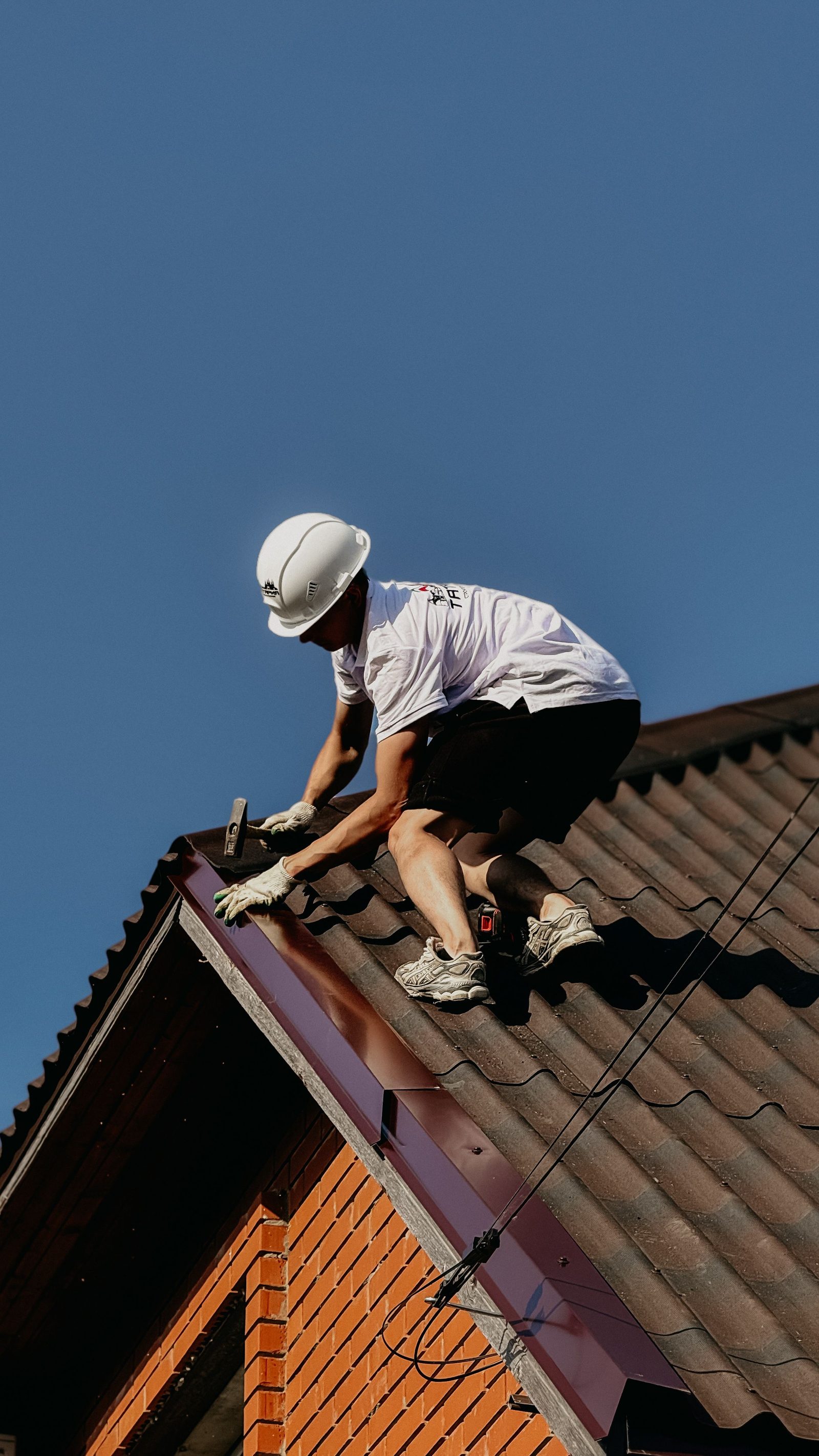
What is a Waterproofing Installer?
A Waterproofing Installer applies waterproofing membranes and systems to below-grade foundation walls, parking structures, plaza decks, and other surfaces where water intrusion has to be stopped before the area is backfilled, built over, or otherwise sealed from access. It's considered a specialty aspect of the roofing trade, and many waterproofers cross-train or work alongside roofers, since both trades install membrane systems and share union representation. No personal license is generally required to work as an employee waterproofer; a specialty waterproofing or general contractor license may be required at the business level in some states. The stakes on this work are unusually high: a waterproofing failure behind a backfilled foundation wall or under a finished plaza deck is essentially impossible to fix without excavating or demolishing what was built over it.
What they do
- Prepare the substrate (concrete, masonry) before applying a waterproofing membrane
- Apply sheet, liquid-applied, or bentonite waterproofing membranes to foundation walls, plaza decks, and below-grade structures
- Install flashing and terminations at penetrations, corners, and transitions where membrane failures are most common
- Coordinate with the concrete crew so waterproofing goes on after the concrete has cured but before backfill or decking covers it
- Perform flood testing or water testing on some installations to confirm the membrane holds before it's covered
- Follow manufacturer specifications closely, since most waterproofing warranties require documented, inspected installation
A typical day
- 7:00 AMInspect a cured foundation wall for surface defects that need patching before waterproofing can start
- 8:00 AMApply a liquid-applied waterproofing membrane to the foundation wall in even coats
- 10:30 AMInstall membrane flashing around a pipe penetration, a common failure point
- 1:00 PMFlood test a completed plaza deck section before it's approved for backfill or paver installation
- 3:00 PMDocument the day's completed areas and test results for the quality control team
Skills
Software
Pay expectations
Pay by experience, nationally
as of May 2025
Source: U.S. Bureau of Labor Statistics, Occupational Employment and Wage Statistics (OEWS), Roofers (SOC 47-2181), national data; United Union of Roofers, Waterproofers and Allied Workers apprentice-to-journeyman wage postings
Reviewed May 2025. Pay reflects the national wage distribution for this occupation, not a promise for any one job: entry level is the lower part of that range, 5 years in sits around the national median, and 10 years in is the upper part, since pay isn't actually tracked by years on the job. Real pay varies a lot by state, metro area, union status, and employer, so scale these up or down for your market. These figures are base pay only: overtime, shift differentials, and per-project bonuses are standard across most construction trades and routinely push real earnings above what's shown here.
What this chart doesn't capture
BLS does not track waterproofing as its own occupation; it's tracked within the Roofers occupation (SOC 47-2181), and the national union for the trade, the United Union of Roofers, Waterproofers and Allied Workers, organizes both roofing and waterproofing under the same locals. These figures use the Roofers occupation as the closest BLS match, supplemented by posted union apprentice-to-journeyman wage scales for waterproofing specifically.
Education
- Required:
- High school diploma or equivalent; no personal license is generally required to work as an employee waterproofer
- Preferred:
- A formal roofing/waterproofing union apprenticeship (United Union of Roofers, Waterproofers and Allied Workers)
- Helpful:
- OSHA 10 certification, manufacturer-specific membrane installation certifications
- Not necessary:
- A college degree, since this trade is learned almost entirely on the job
Training & Programs
Roofers & Waterproofers Union Apprenticeship is a real program that leads into this career.
Local field guide
In Georgia? Local pay, state licensing rules and where to train for this trade. Open the Georgia guide →
Career progression
- 1.Waterproofing Installer Helper
- 2.Waterproofing Installer
- 3.Lead Installer or Crew Foreman
- 4.Waterproofing Contractor or Estimator
Who hires for this role
Going after Waterproofing Installer work?
Field & Trades
- 01 · GET HIRED GUIDE
Know how hiring works
Who actually hires, where they look, and what to have ready.
Open →
- 02 · RESUME GUIDE
Build the resume
What a reviewer scans for, with bullets you can adapt.
Open →
- 03 · INTERVIEW PREP
Practice the conversation
The questions to expect and what each one is really asking.
Open →
- 04 · BLUEPRINT
Put it on a calendar
A dated, day-by-day plan built from all of the above.
Build mine →