Concrete Worker (Cement Mason / Finisher)
Field & Trades
Places, shapes, and finishes concrete before it sets, a narrow window to get a permanent, highly visible surface exactly right.
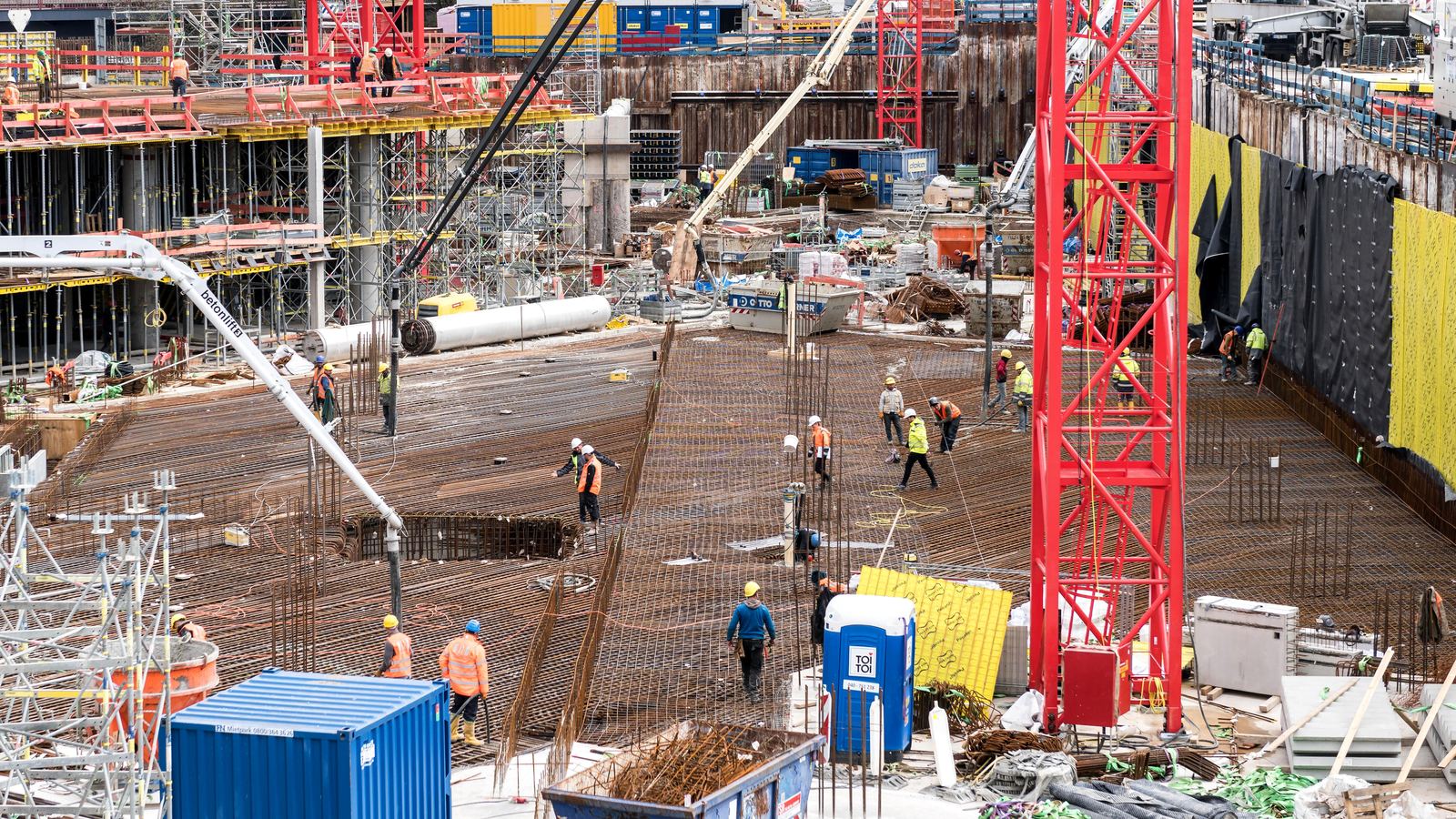
What is a Concrete Worker (Cement Mason / Finisher)?
A Concrete Worker (also called a Cement Mason or Concrete Finisher) places, consolidates, and finishes concrete, floors, sidewalks, driveways, foundations, and structural slabs, working within the short window before concrete cures. The finish has to be right the first time; once concrete sets, mistakes usually mean cutting it out and starting over rather than sanding or repainting. No government license is legally required to do this work.
What they do
- Set forms that define the shape and boundaries of a concrete pour
- Place and consolidate wet concrete, working it into forms and around reinforcing steel
- Screed, float, and trowel the surface to the specified finish (broom, smooth, exposed aggregate, and more)
- Cut control joints to manage cracking as the concrete cures
- Apply curing compounds and protect fresh concrete from weather and early traffic
- Read plans and specifications for slab thickness, reinforcement, and finish requirements
A typical day
- 6:00 AMArrive early to set forms and check reinforcing steel placement before the concrete truck arrives
- 7:30 AMPlace and consolidate concrete as it's poured, working quickly before it begins to set
- 9:30 AMScreed and float the surface to bring it to grade and remove high spots
- 11:30 AMApply the specified finish once the concrete has set up enough to work without marring it
- 1:00 PMCut control joints and apply curing compound before leaving the pour to cure
Skills
Software
Pay expectations
Pay by experience, nationally
as of May 2025
Source: U.S. Bureau of Labor Statistics, Occupational Employment and Wage Statistics (OEWS), Cement Masons and Concrete Finishers (SOC 47-2051), national data
Reviewed May 2025. Pay reflects the national wage distribution for this occupation, not a promise for any one job: entry level is the lower part of that range, 5 years in sits around the national median, and 10 years in is the upper part, since pay isn't actually tracked by years on the job. Real pay varies a lot by state, metro area, union status, and employer — scale these up or down for your market. These figures are base pay only: overtime, shift differentials, and per-project bonuses are standard across most construction trades and routinely push real earnings above what's shown here.
What this chart doesn't capture
Owning a concrete finishing company trades an hourly ceiling for bid-by-the-job margins — real upside on a good season, real exposure when the weather or the market turns.
These figures are wage-and-salary pay only — BLS excludes the self-employed and business owners entirely. No government survey publishes a reliable income figure for concrete contracting business owners, and most of what's online repeats unsourced marketing content rather than real data. Flatwork pricing swings a lot with weather, local competition, and whether a crew owns its own equipment or rents it — worth researching your own market before trusting any number you find.
Education
- Required:
- High school diploma or equivalent. No license is legally required to work as a concrete finisher
- Preferred:
- Completion of a formal apprenticeship (typically through a union or trade association) rather than a college degree
- Helpful:
- ACI (American Concrete Institute) certifications such as Concrete Flatwork Finisher/Technician are optional, but some project specifications require ACI-certified personnel for certain concrete work, worth pursuing if a specific job or employer calls for it
- Not necessary:
- A college degree; this trade is learned through apprenticeship and hands-on experience
Career progression
- 1.Concrete Laborer
- 2.Concrete Finisher
- 3.Lead Finisher or Foreman
- 4.Concrete Superintendent or own a concrete finishing business
Who hires for this role
Explore next